
For YouR Business ·employment law
Pensions & Incentive Lawyers
To compete in the ‘war for talent’, an attractive remuneration package is key to attracting (and retaining) the best employees
Pensions and incentives have a huge influence over employee satisfaction, ultimately impacting your retention rates, and your ability to attract top talent to your business. Designing these remuneration packages requires a careful balance of planning, budgeting, and aligning your offering with staff expectations.
There are also important statutory requirements applicable to pension benefit provision, which employers need to be aware of.
We work with businesses of all sizes to plan their pensions and incentives packages, offering holistic advice that covers the relevant financial, corporate, tax, and regulatory implications that need to be taken into consideration.
Our extensive experience means we are able to offer wide-scope advise that extends into:
- Defined benefit pension schemes
- Participation in public sector pension schemes
- Pension terms in executive service contracts
- Support and advice to trustees of pension schemes
- Advice on governance and regulation of pension schemes
- Broad employee benefit schemes
- Establishing equity incentive arrangements
- Cash settled bonuses, and
- Deferred incentives.
Our Expertise
Our Pensions and Incentives Expertise.
Auto-enrolment issues
All employers need to be aware of how the Pensions Act 2008, and the statutory automatic enrolment requirements, apply to them. In order to remain compliant, employers need to understand which of their employees qualify for auto-enrolment, ensure that their internal communications are clear, and that their contract with their pension provider is watertight. Our specialist lawyers can provide critical oversight, ensuring employers remain compliant even as regulations change.
Operating and governing pension schemes
Whether from the Trustee side or the Employer side, there are many ongoing issues involved in operating and managing a pension scheme. Key examples are funding, investment of pension scheme assets, member benefit audits and corrections, scheme documentation, scheme closures and establishing new pension arrangements.
We also provide comprehensive advice on pensions due diligence in connection with corporate acquisitions and disposal and business transfers involving employees (TUPE).
Regulatory Matters
Pension schemes are subject to a complex number of regulations, meaning employers and pension scheme trustees need to have a thorough understanding of their legal obligations and duties. In order to protect you and your employees’ interests, our dedicated team works closely with you to ensure that all your pension arrangements are in order.
Meet the Team
Our Pension & IncentiveTeam




Get in touch with us today
Complete our form and we will get back to you straightaway.
Latest News
Pensions & Incentive News
-

“We Live Together but Aren’t Married” What Rights Do I Have If We Separate or My Partner Dies?
There is no such thing as common law marriage in England and Wales. However long a couple have lived together,…
-
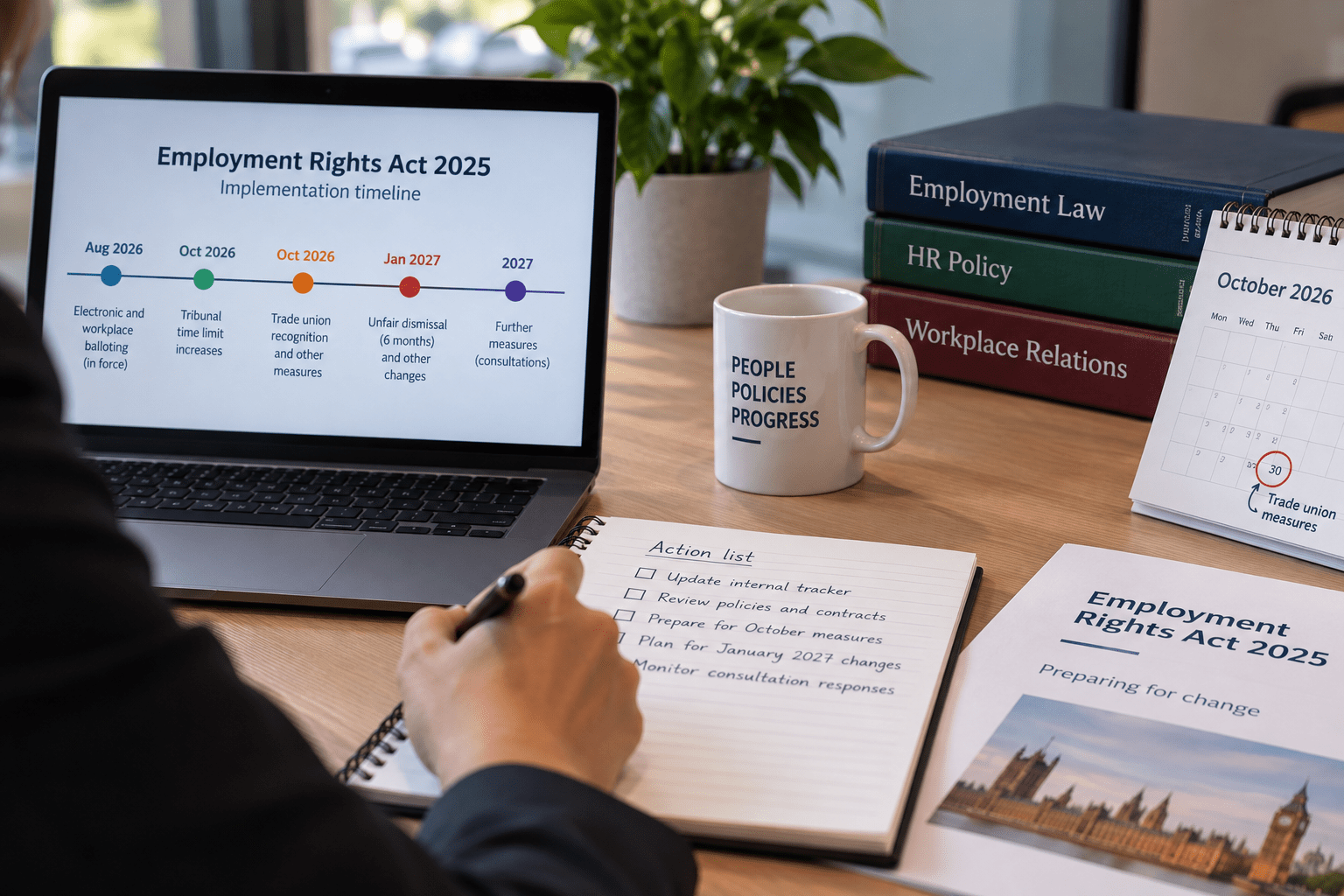
Employment Law Update: Government Confirms Revised Timetable for 2026–2027
The Government published a further update to its implementation timetable for the Employment Rights Act 2025 on 25 August 2026.…
-

Shareholder Disputes: What Happens When Business Partners Fall Out?
When the relationship breaks down, company law decides what happens next – and it does not work the way most…
FAQs
Pensions & Incentives FAQs.
Employers are required by law in the UK to offer a workplace pension scheme and employers and employees are required to contribute to the pension scheme, unless the individual specifically opts-out. Employers need to be careful to include all ‘eligible’ workers in the pension scheme benefit.
Funding and investment advice is important, so that the pension scheme funds are appropriately secured and invested to enable the funds to provide all members’ pensions into the future. There are many additional legal and commercial issues involved with running defined benefit pension schemes such as benefit structure, actuarial valuations, employer funding contributions covenant and security, member claims, scheme documentation and Regulatory compliance.
Potentially yes, as employees have certain protected pension rights where they are transferred from one employer to another under TUPE. The rights vary depending on the circumstances and whether the transfer is connected with public sector services.
Pension disputes are common and there are several ways of resolving them, from the pension scheme’s own procedures through to the Pensions Ombudsman and the tribunals and courts. Advice is often needed regarding the detail of the pension complaint, it’s value and the most appropriate forum for complaining.
Yes, after being auto-enrolled, you have a period in which you can opt-out and get a refund of any contributions. However, doing so means you’ll lose out on the employer contribution.
AS FEATURED IN